Alcohol inks are vibrant, unpredictable, and incredibly fun to work with — but they can also feel frustrating when your artwork doesn’t turn out the way you imagined. The good news? Most beginner problems are easy to fix once you know what’s causing them.
Here are the most common alcohol ink mistakes beginners make and exactly how to fix them.
1. Using the Wrong Surface
One of the biggest beginner mistakes is working on absorbent surfaces like regular paper or untreated canvas. Alcohol inks need a non-porous surface so they can move and blend properly.
Fix It:
Use surfaces designed for alcohol inks, such as:
Yupo paper
Ceramic tile
Glass
Metal panels
Synthetic paper
These surfaces allow the ink to flow beautifully instead of soaking in immediately.
2. Using Too Much Ink
More ink doesn’t always mean better results. Overloading your surface can create muddy colors and puddling.
Fix It:
Start with small drops and build slowly. It’s much easier to add more ink than remove excess later.
A little alcohol ink goes a long way.
3. Over-Blending Colors
Beginners often keep moving inks around too long, which can cause colors to mix into dull browns or grays.
Fix It:
Limit the number of colors in one area. Let colors interact naturally instead of constantly manipulating them.
Try sticking to:
analogous colors (colors next to each other on the color wheel)
or one bold contrast color
4. Forgetting to Use Isopropyl Alcohol
Alcohol inks need alcohol to move and create those soft organic effects. Without it, the ink can look heavy and harsh.
Fix It:
Use 91% or 99% isopropyl alcohol for the best movement.
You can:
drop it directly onto the ink
use a spray bottle
or blend with a brush or air blower
Higher alcohol percentages evaporate faster and usually produce cleaner effects.
5. Working Too Slowly
Alcohol inks dry quickly. Hesitating too much can make blending harder and create harsh edges.
Fix It:
Plan your colors and composition before starting.
Keep your:
inks open
tools nearby
alcohol ready
Confident movements often create the most beautiful effects.
6. Trying to Control Everything
Alcohol inks are naturally fluid and unpredictable. Many beginners get frustrated trying to force perfect shapes.
Fix It:
Embrace the movement.
Instead of controlling every detail:
guide the ink gently
tilt your surface
use airflow strategically
allow happy accidents
Some of the best alcohol ink art comes from unexpected patterns.
7. Using Dirty Tools
Residual ink on brushes, blowers, or applicators can muddy fresh colors.
Fix It:
Clean tools regularly with isopropyl alcohol between colors.
Even small amounts of leftover pigment can affect your artwork.
8. Not Letting Layers Dry
Adding fresh ink too quickly can reactivate lower layers and create muddy or overworked areas.
Fix It:
Allow each layer to dry before adding more detail.
You can speed up drying with:
a heat tool
air blower
or simply waiting a minute or two
Patience creates cleaner layers and more depth.
9. Forgetting to Seal Your Artwork
Alcohol inks can fade or reactivate if left unsealed.
Fix It:
Protect your finished piece with the proper sealant.
Popular options include:
UV-resistant spray sealers
archival varnishes
resin coatings
Always test sealers first because some sprays can reactivate the ink.
10. Comparing Your Work to Others
This might be the most common mistake of all.
Alcohol ink art has a steep learning curve because the medium behaves differently every single time. Social media often shows only perfect final pieces — not the failed experiments behind them.
Fix It:
Focus on experimenting instead of perfection.
Every piece teaches:
color behavior
blending control
composition
timing
Your style develops naturally through practice.
Final Thoughts
Alcohol inks can feel unpredictable at first, but that’s also what makes them exciting. Most mistakes are simply part of learning how the medium moves and reacts.
The best way to improve is to:
experiment often
use quality surfaces
keep your process simple
and allow yourself to play
The more you practice, the more confident and creative your artwork becomes.
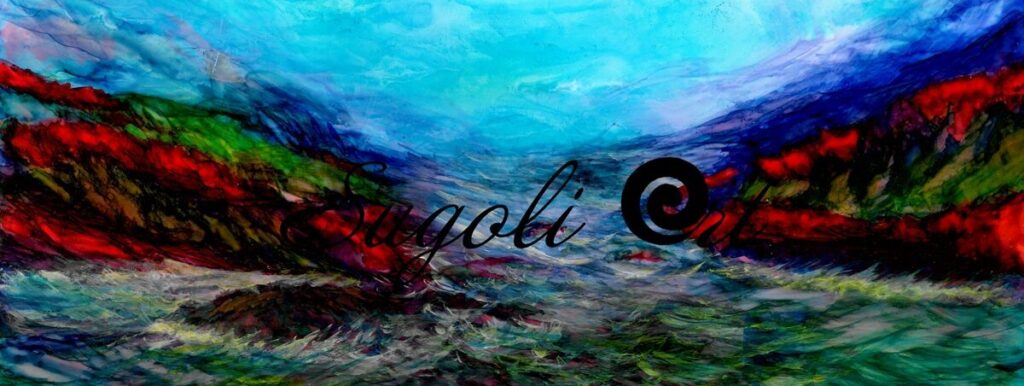
10 Common Alcohol Ink Mistakes (and How to fix them)

Leave a Reply