
10 Things I Wish I’d Known Before Starting Alcohol Ink
1. High-Percentage Isopropyl Alcohol is a Must
Standard 70% rubbing alcohol from the chemist does not work well with alcohol inks. The high-water content in lower percentages will leave your artwork looking cloudy, patchy, and full of weird spots. Stick strictly to 99% Isopropyl Alcohol to get those beautiful, clean expansions.
2. Yupo Synthetic Paper is Expensive, But Regular Paper is a No-Go
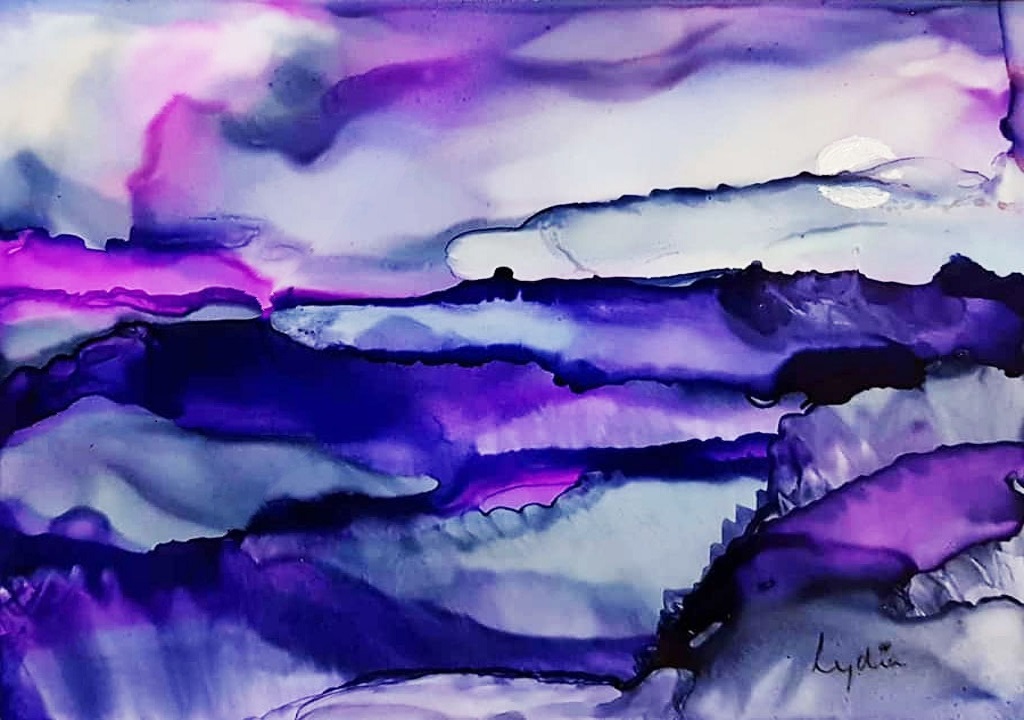
When you are dying to try out your new inks, it is tempting to grab whatever paper you have lying around. Don’t do it! Standard paper just absorbs the ink like a sponge, causing it to bleed right through and look completely dull. You absolutely need non-porous surfaces like Yupo synthetic paper or ceramic tiles so the ink can actually float, glide, and create those gorgeous fluid rings.
3. Ventilation and Safety are Crucial
Because these inks dry through rapid evaporation, they throw off heavy solvent fumes. Never paint in a sealed room. Work near an open window with a fan going, and seriously invest in a proper respirator mask with organic vapour filters if you plan to paint for long stretches or hate strong chemical smells.
4. Less is More
When you first start, it is easy to get carried away and flood the page. Doing this will quickly turn your vibrant colors into a dark, muddy, chaotic mess. Stick to a palette of just 2 or 3 colors to start. Let your layers dry properly before adding more ink so you can build clean, crisp depth.
5. You Must Seal Your Art
Even after drying for days, alcohol ink stays active. If a drop of liquid or resin hits it, the design will run and ruin. Protect your hard work with a couple of coats of an alcohol-free spray varnish, like Krylon Kamar or Molotow One4All. Krylon Kamar is not available in New Zealand but Molotow One4All is.
- My Top Tip: Always spray two or three light coats of varnish before applying epoxy resin, otherwise the resin will bleed your colors together.
6. Metallics Require Extra Care
Metallic mixatives and alloys give you those stunning, sought-after shiny borders, but they are heavy pigments that sink quickly. You need plenty of alcohol on the page to keep them moving, or they will just freeze into a solid, dull clump. Remember that less is more here too—metallics can easily hijack your whole piece unless that’s the look you want.
7. Don’t Throw Away Mistakes
One of the most forgiving parts of this medium is that you can wash it away. If a piece goes completely wrong, a paper towel soaked in alcohol can wipe a ceramic tile or synthetic page back to a blank canvas.
- Keep in Mind: Some brands of Yupo will stain permanently regardless of how hard you scrub. If that happens, don’t bin it—cut up the clean sections to reuse as unique bookmarks or handmade card backings.
8. Use an Air Blower for Wispy Edges
Skip the plastic straws. Blowing with your breath introduces warm moisture that spits onto the page and ruins the ink textures. Plus, using a straw means you are actively inhaling those chemical fumes. Grab a cheap manual hand-held air blower online, or use a hair dryer on its absolute lowest, coolest setting for total control.
9. Blending Solution vs. Alcohol
They look the same, but they behave differently. Pure isopropyl alcohol breaks down the ink and dries almost instantly. Commercial blending solutions contain a clear resin binder that slows down the drying time, giving you a wider window to push and manipulate the ink.
- My Saving Tip: Blending solutions are pricey, and I burnt through bottles of the stuff when I first started trying to fix mistakes or to get a desired effect. Save your cash! Use pure isopropyl alcohol for your main painting and save the blending solution for specialty products like the pearls range.
10. Protect Your Workspace
Alcohol ink is brutal on fabrics, skin, and furniture—it permanently stains porous surfaces. Wear an apron, put on nitrile gloves, and prep your area thoroughly.
My Experience: Learn from my absolute worst mistake: I managed to ruin my kitchen bench before I finally learned my lesson. Now, I never start a session without laying down heavy-duty plastic sheeting. Save your furniture and protect your surfaces before you open a single bottle!
Leave a Reply